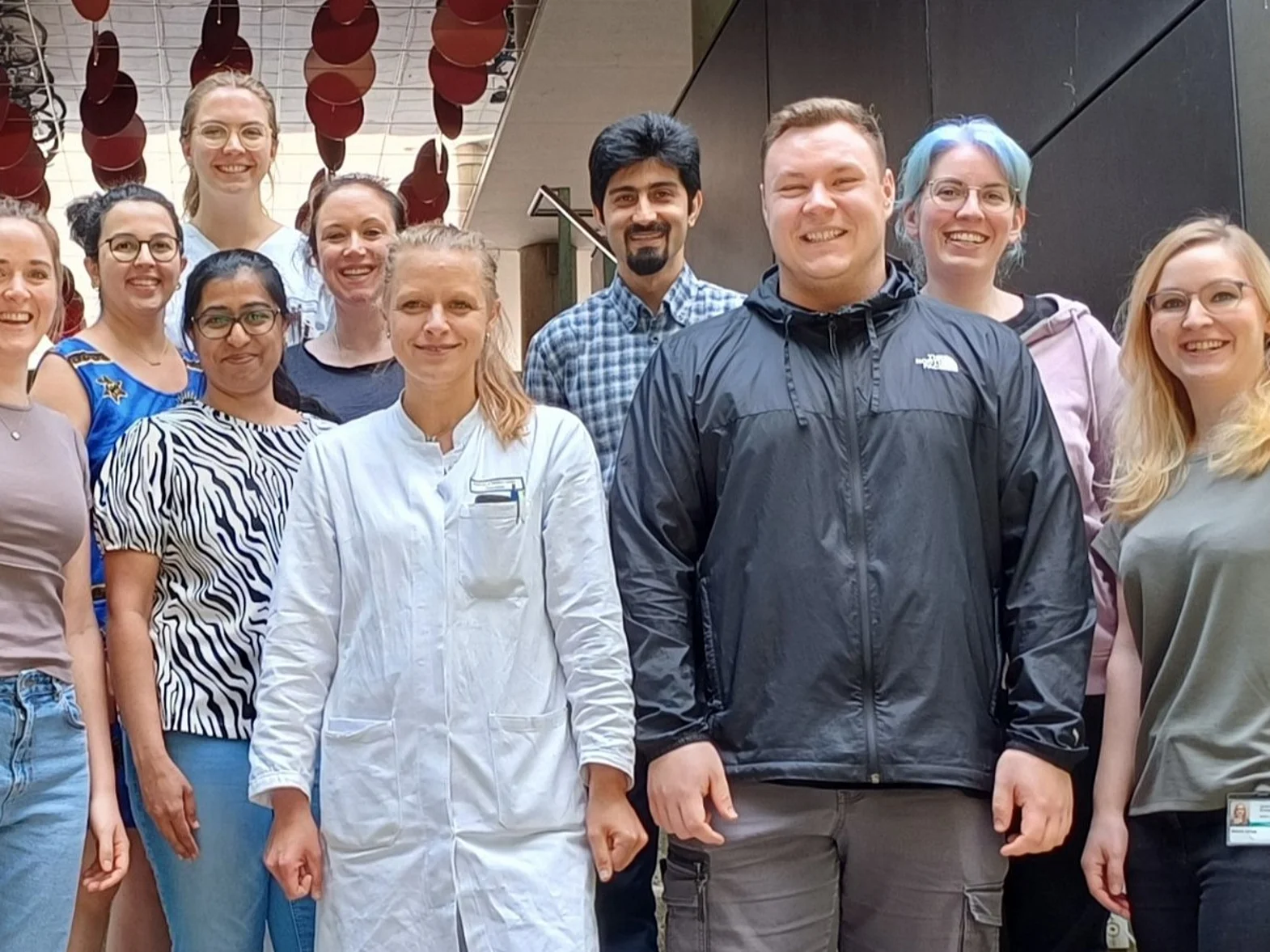
The Müller-Deile research group investigates the pathophysiological mechanisms of rare glomerular diseases with the aim of developing novel diagnostic markers and personalized therapeutic strategies. Our translational approach integrates state-of-the-art 3D cell culture systems, transgenic animal models such as zebrafish and mice, and patient-derived samples to study disease processes in a patient-specific context.
A particular focus lies on the development of patient-specific, biofabricated glomerular models. This biofabrication project is conducted within the framework of the Collaborative Research Center TRR225 and employs hiPSC-based organoids, spheroids, and microfluidic systems for disease-relevant modeling and drug screening.
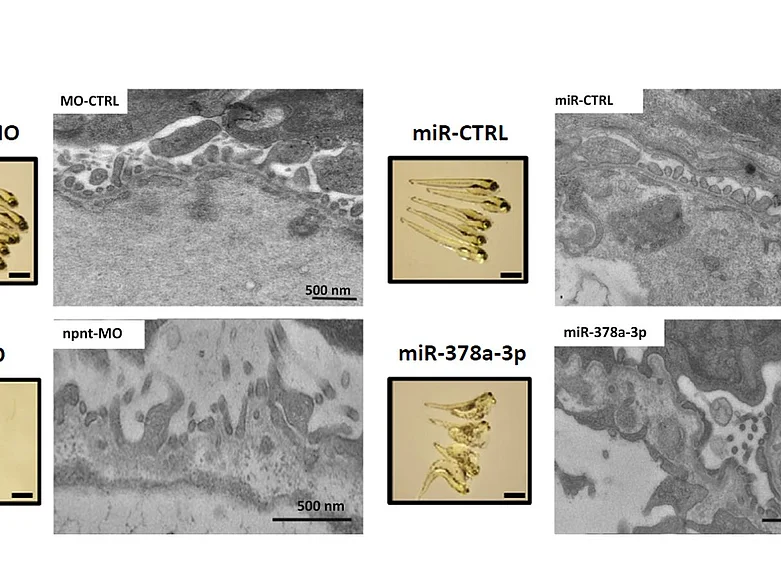
In parallel, we investigate the role of extracellular vesicles in glomerular cell–cell communication. The exosome project is part of the Collaborative Research Center TRR374 and aims to elucidate EV-based mechanisms as well as to establish functionalized, kidney-targeted nanoparticles as future therapeutic strategies in the zebrafish model.
Methodologically, our work is supported by innovative approaches such as biomimetic modeling of the glomerular basement membrane, bioreactor systems to simulate mechanical stress, and comprehensive omics-based analyses.
Our research focuses on diseases including focal segmental glomerulosclerosis (FSGS), membranous glomerulonephritis, and PAX2-associated nephropathies. In addition, we investigate environmental factors such as microplastics and particulate matter and their impact on the gut–kidney axis.
The long-term goal of our research is to further elucidate the molecular basis of rare kidney diseases, to develop personalized diagnostic and therapeutic concepts, and to strengthen the research hub in Erlangen in the field of rare renal diseases.
Group leader

Scientists Post-doc
Scientists
Technicians
Max Kirow
Alexandra Ohs
Graduate students
Carmen Popanda
Carmen Rist
Sarah-Maria Wangerin
Research group Müller-Deile